ServicesTile Roofing
Tile Roofing in Cypress
Clay and concrete tile often lasts for generations, yet the felt layer below it ages far faster. We repair broken tiles, relay worn underlayment and install new tile roofs, with careful footing and a clear work zone so your tiles, your yard and your family stay safe.
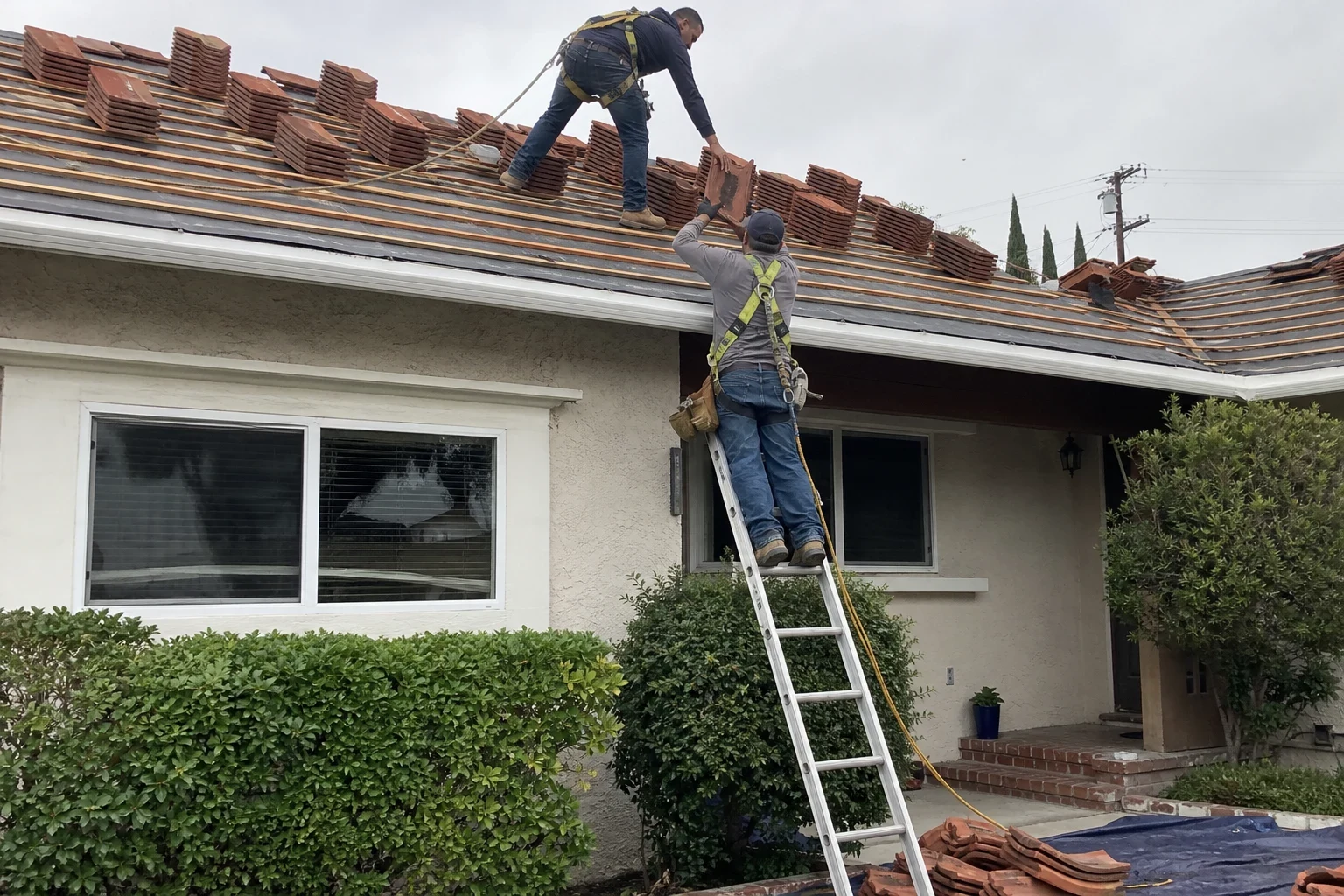
Tile Lasts. What's Under It Needs Attention.
Concrete and clay tiles shrug off sun and rain for decades. The real waterproofing on a tile roof is the underlayment beneath them, and on many older homes that felt layer is now brittle, torn or shrinking at the laps. When it gives out, water slips past the tiles and into the decking, often with no sign from the street.
Our job is to sort out which of those problems you have. Sometimes a few cracked tiles and a slipped ridge piece are all that's wrong. Sometimes the tiles are fine and the underlayment needs a full relay. We tell you plainly which one it is.
Tile also takes care to work on. A careless step cracks a tile, and a loose tile on a sloped roof is a hazard for anyone below. Safe footing and a clear work zone come first on every job we run.
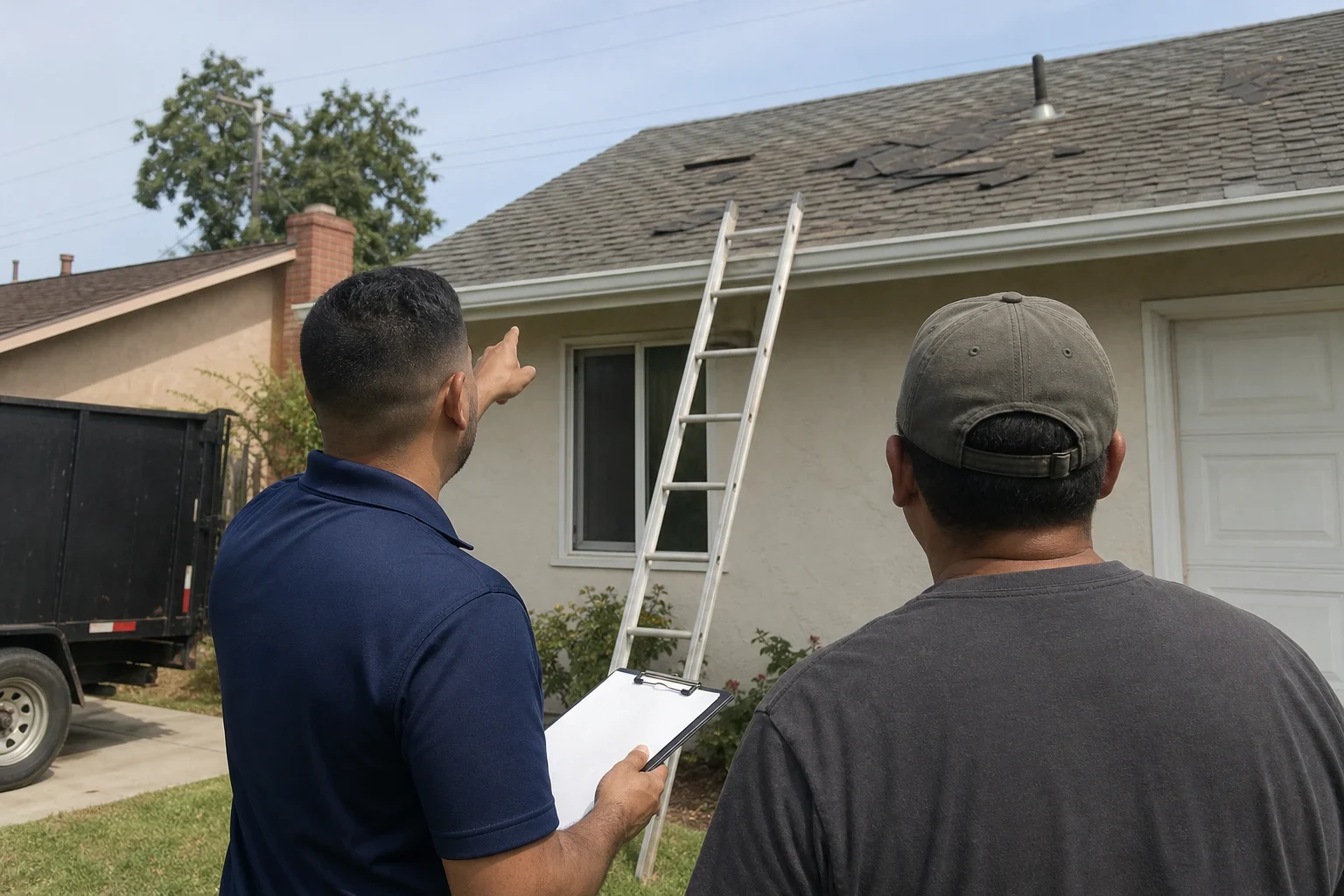
What Our Tile Roofing Work Covers
- 01
Cracked and slipped tile replacement
We pull broken pieces, match the profile and color as closely as we can, and set replacements so they lock in with their neighbors.
- 02
Underlayment relay
We lift the tiles, stack them safely on the roof, replace the worn underlayment and battens where needed, then relay the original tiles. Good tiles get reused instead of going to the landfill.
- 03
Ridge, hip and flashing repair
Mortared or fastened ridge caps loosen over time, and flashing at walls, chimneys and valleys corrodes. We reset caps and replace flashing so water has a clean path off the roof.
- 04
New tile roof installation
For a full new roof we install fresh underlayment, battens and clay or concrete tile. If your home doesn't have tile now, we check the framing first, because tile weighs far more than shingles.
- 05
Permits and final inspection
When the work calls for a permit, we pull it and schedule the city inspection so the finished roof is documented.
Questions about Tile Roofing?
Call(714) 613-8375Signs Your Tile Roof Needs a Look
Stains on ceilings or in the attic
Tile can look perfect while the underlayment below is failing. Brown rings indoors after a rain usually mean water is getting past the tile layer.
Cracked, chipped or missing tiles
A single broken tile exposes the underlayment to sun, which speeds up its breakdown. Missing tiles after strong Santa Ana winds should be checked before the next rain.
Loose ridge caps or crumbling mortar
If you see mortar bits in the gutters or ridge pieces that sit crooked, the caps may be letting water in at the peak.
A roof that's a few decades old
Even with no visible damage, original underlayment on an older tile roof is often near the end of its life. A free roof inspection tells you how much time it has left.
Rotted fascia or sagging eaves
Water that runs under tiles often exits at the lower edge. Soft wood along the eaves is a clue worth following up.
How a Tile Roofing Job Runs
- 1
Free inspection and photos
We walk the roof using tile-safe foot placement, check the attic when you allow it, and photograph what we find. You see the cracked tiles and worn underlayment for yourself.
- 2
Written estimate
You get a free written estimate that separates tile replacement, underlayment, flashing and any decking repair, so each line makes sense.
- 3
Setting up a safe site
Before work starts we secure ladders, set fall protection on the roof, cover plants and mark off the area below the work. We ask that kids and pets stay clear of that zone while tiles are moving.
- 4
The work itself
Tiles are lifted and staged in stable stacks, underlayment and flashing go down, and tiles are relaid in their courses. At the end of each day loose material is secured so nothing can slide off overnight.
- 5
Cleanup and walk-through
Broken tile and old felt leave with us, not in your trash bins. A rolling magnet goes across the grass, planting areas and paved surfaces so no stray fastener ends up in a tire or a bare foot. Before we head out, we look over the finished roof together and hand you the photos from every stage.
What Shapes the Cost of Tile Roof Work
No two tile roofs need quite the same work, so we set a price only after we've been up on yours. The biggest question is whether your existing tiles can be reused. Your written estimate shows each factor on its own line.
- Repair, relay or new roof
- Swapping a handful of tiles is a small job. A full underlayment relay takes more labor but saves the cost of new tile. A full new tile roof costs the most.
- Tile type and availability
- Clay and concrete tiles price differently, and some older profiles are hard to match. Discontinued styles may mean sourcing salvaged tile.
- Condition of the decking
- Rot found once tiles come up adds repair work. We photograph it and talk with you before replacing anything.
- Roof pitch and access
- Steep slopes and tight side yards need more safety setup and slower handling, which affects labor time.
- Permits
- Relays and new roofs usually require a permit and inspection, which we include in the estimate.
Tile Roofing Questions We Hear Often
My tiles look fine. Why would I need work done?
The tiles shed most of the water, but the underlayment underneath is what keeps your home dry. That layer breaks down with age and heat long before good tile does. An inspection shows its condition, and if it's sound, we'll tell you so.
Can you reuse my existing tiles?
Usually, yes. Concrete and clay tiles in good shape can be lifted, stacked and relaid over new underlayment. We expect some breakage on older tile and plan replacements into the estimate.
Is it safe for my family to be home during the work?
Yes, with a few simple steps. We mark off the area under the work, keep walkways clear and ask that children and pets stay out of that zone. Entry doors stay usable, and we let you know before any noisy or heavy stages.
Can I switch from shingles to tile?
Often, but tile is much heavier, so we check your framing first. If it needs reinforcing, we explain that before you decide. Our asphalt shingle roofing page covers the lighter option.
Do you help with insurance or financing?
We work directly with your insurance claim when damage is covered, giving your adjuster photos and a clear scope. If you'd rather spread out payments, you can apply for financing through Service Finance Company, subject to credit approval. Our crew can also talk everything through with you in English or Spanish.
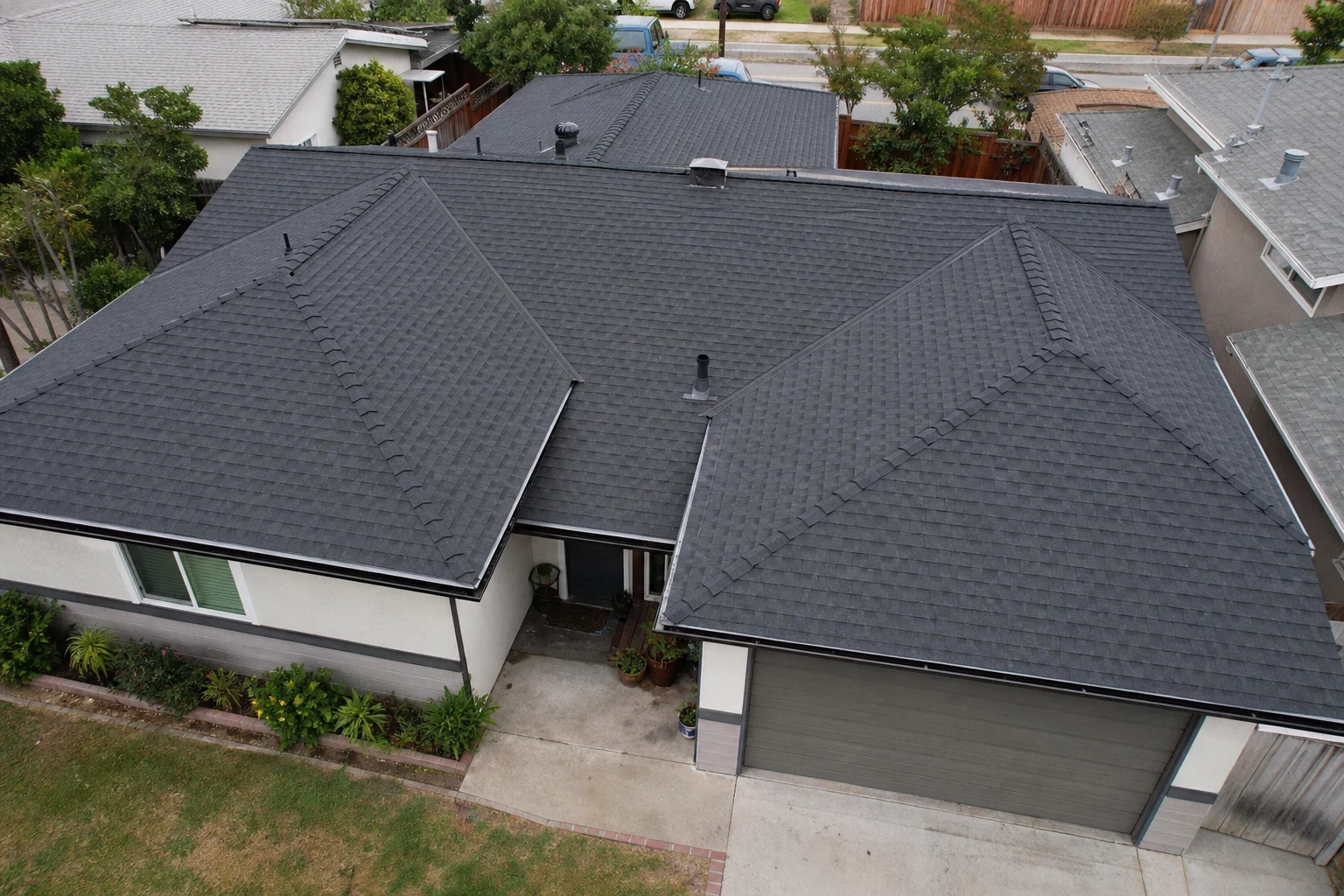
Find Out What's Happening Under Your Tiles
We'll walk your tile roof carefully, show you photos and give you a straight answer on repair, relay or replacement. There's no charge for the visit.